
GLP-1 Nutrition Gap Nobody Warned You About

When You’re Eating Less, Every Bite Has to Work Harder: The GLP-1 Nutrition Gap Nobody Warned You About
Inside the quiet 30-second morning ritual that GLP-1 users are adding to their routines to close the nutrient gap their shrunken appetite is leaving behind.
You started the shot because you wanted to feel different in your body. And you do. The constant food noise that used to run your day is gone. The portions you once cleaned without thinking now feel like too much halfway through.
But somewhere around week six or eight, a different conversation starts up — in the GLP-1 group chats, in the 11 p.m. Reddit scrolls, in the quiet questions you bring to your next doctor’s appointment:
Am I actually getting enough nutrition?
For most people on Ozempic, Wegovy, Mounjaro, or Zepbound, the honest answer is: not really.
The math nobody does for you at the prescription window
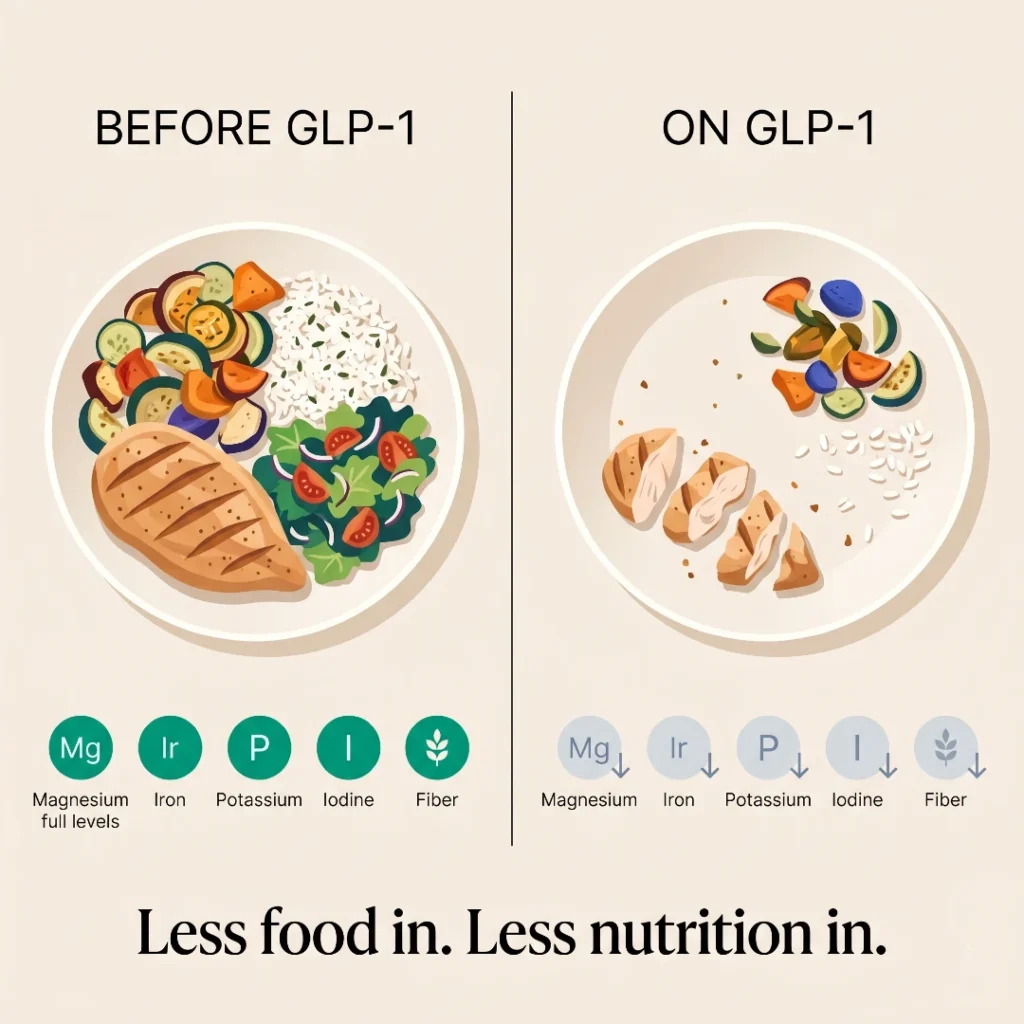
GLP-1 medications work, in part, by drastically reducing how much you eat. That’s the point. But there’s a side of eating less that doesn’t show up on the marketing pages: when your daily food intake drops by 30 to 50 percent, your daily intake of vitamins, minerals, and fiber usually drops right along with it.
Dietitians who specialize in GLP-1 patients keep flagging the same recurring gaps:
- Magnesium and potassium — the minerals behind muscle cramps, fatigue, and the “wired but tired” feeling so many patients describe.
- Iron — linked to the hair thinning that tends to start around month three or four.
- Iodine — the mineral your thyroid runs on, and your thyroid runs your metabolism.
- Fiber and prebiotics — the reason almost every GLP-1 user eventually complains about constipation.
- Trace minerals — the ones a standard multivitamin barely touches.
You can’t solve this with a fistful of chalky tablets. Most of those minerals are poorly absorbed in pill form, and you have less stomach real estate to spend on supplements than you used to anyway.
What GLP-1 users actually need is something different: nutrient density that takes up almost no room.
Enter the spoonful
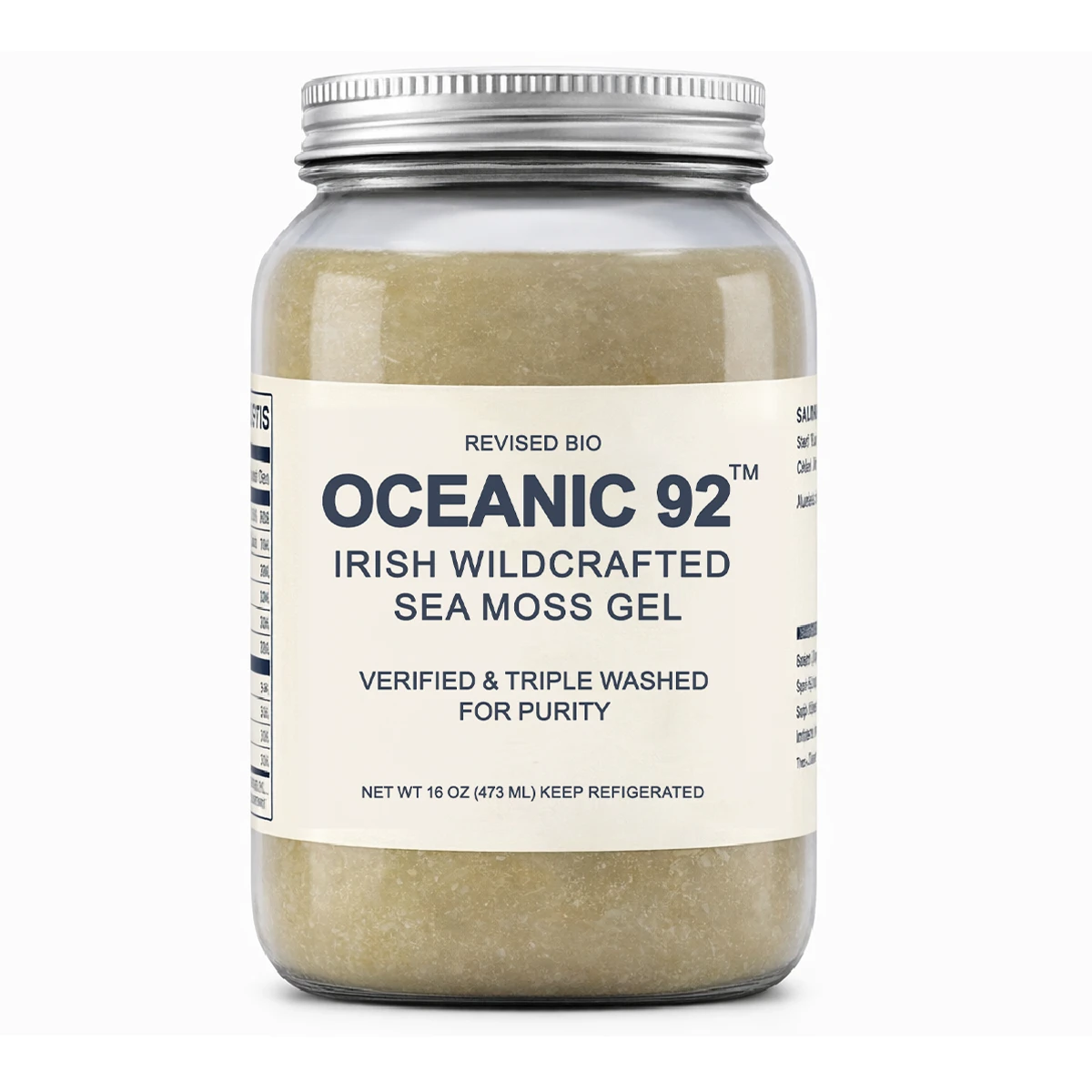
This is why a small, quiet category of seaweed gels has been moving through the GLP-1 community over the past year. The most talked-about of them is a product called Oceanic 92™, made by RevisedBio.
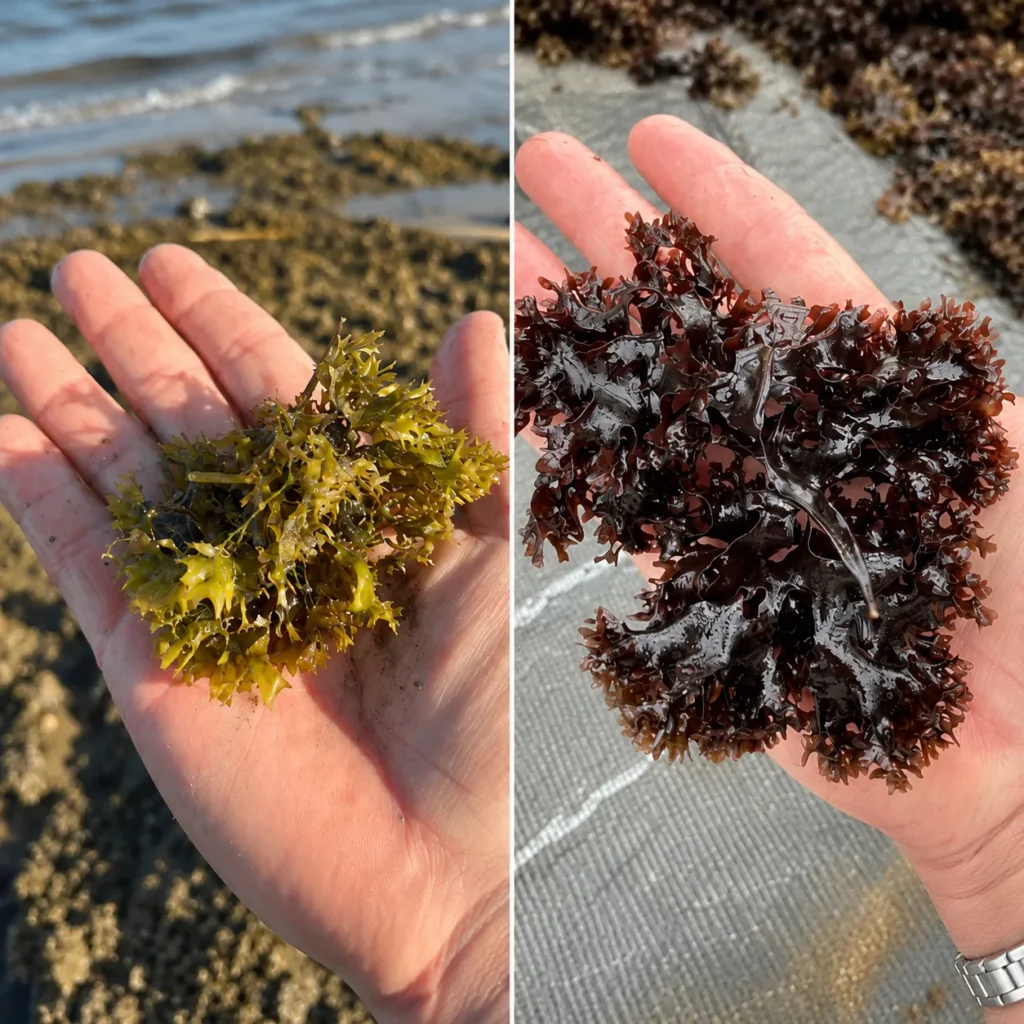
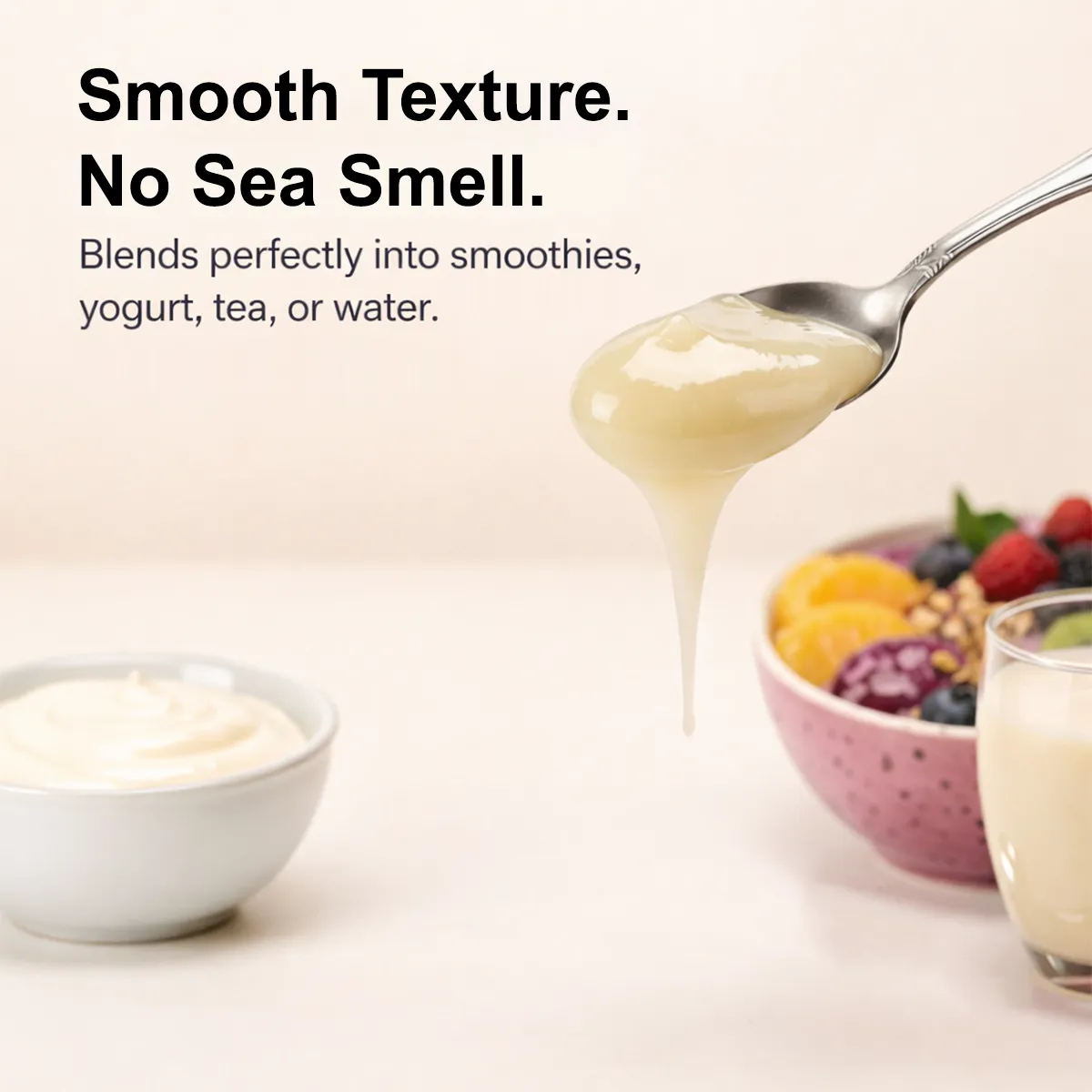
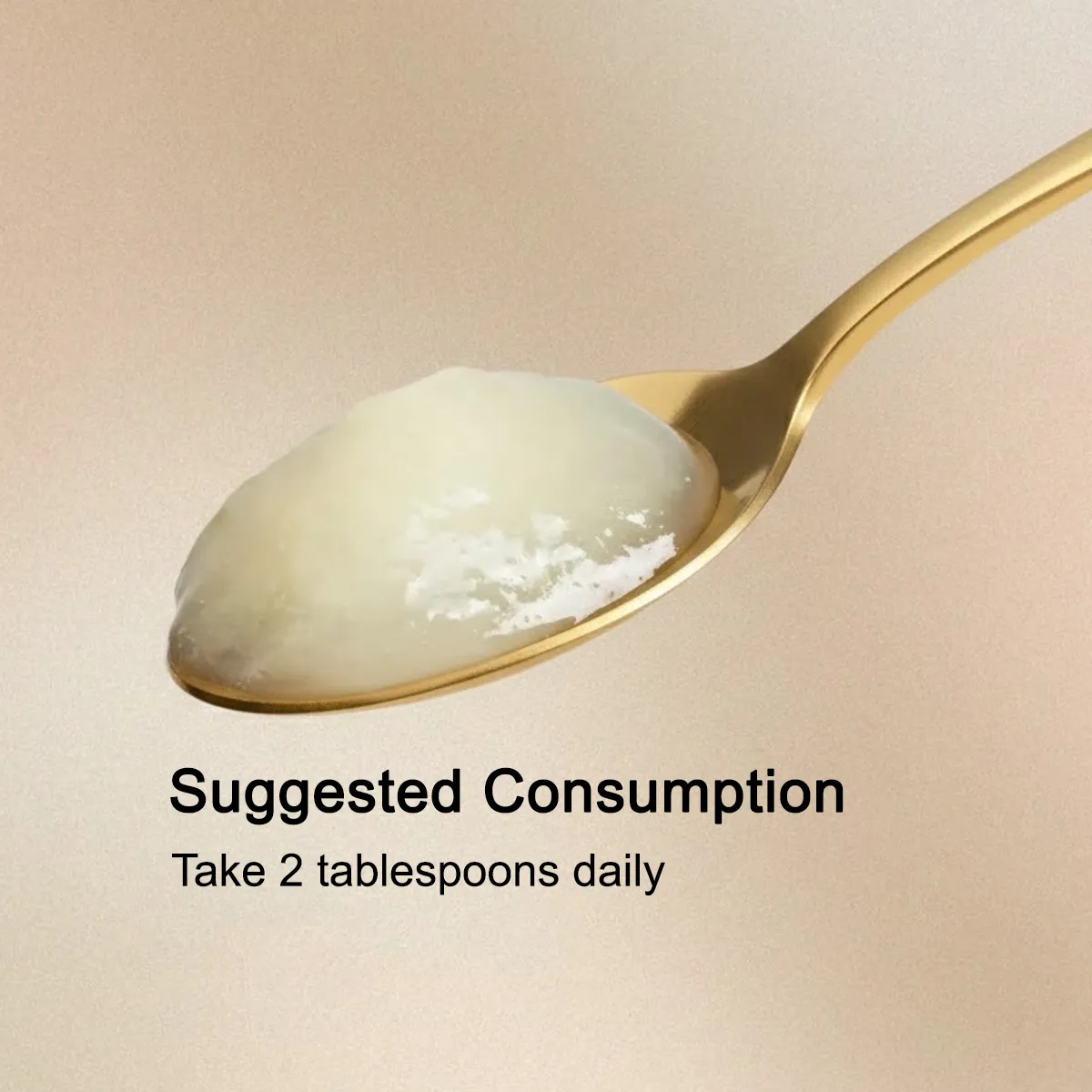
Sea moss (Chondrus crispus) has been a staple in Irish and Caribbean wellness traditions for more than a century. What’s new is the form: a cold, neutral-tasting gel you spoon straight into your morning coffee, protein shake, yogurt, oatmeal, or just a glass of water. One tablespoon. That’s it.
The pitch is simple, and unusually well-suited to what GLP-1 users are actually missing:
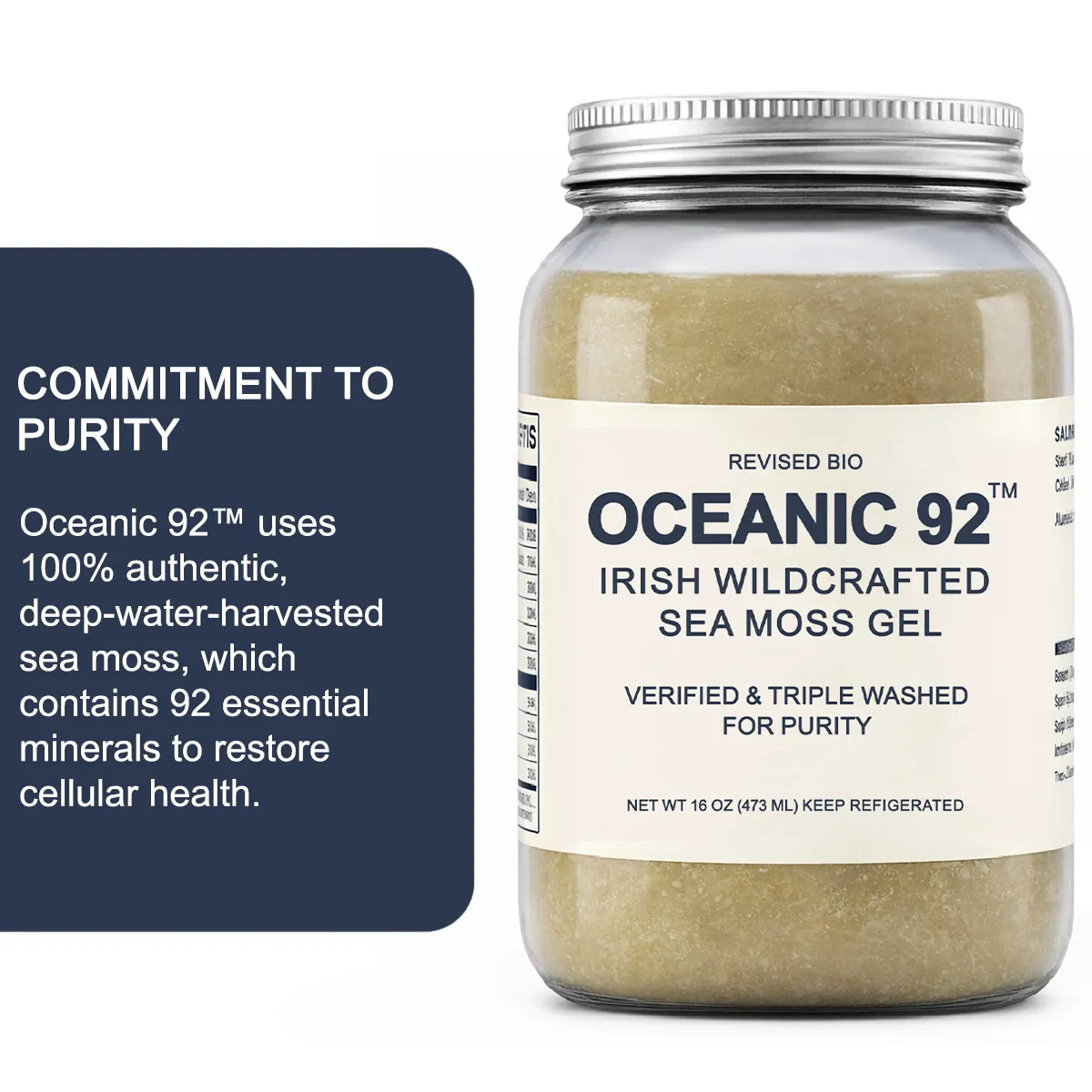
- 92 trace minerals in a single tablespoon, including magnesium, iron, potassium, and iodine — the exact set most often flagged as low in GLP-1 patients.
- Natural prebiotic mucilage that coats and soothes the digestive tract — the constipation question, finally addressed.
- Sulfur compounds that support hair, nails, and skin — the cosmetic complaints most GLP-1 users start voicing around month four.
- Iodine for thyroid support, which matters more, not less, when you’re losing weight quickly.
- Roughly ten calories per serving — meaningful nutrition that doesn’t eat into your already-shrunken appetite.
In a category where every other product asks you to eat more, sea moss gel asks for a single tablespoon and gets out of the way.
Why this one, specifically
Sea moss is having a moment, which means the internet is now flooded with mason jars of gray goo that all claim to do the same thing. Most of what you’ll find online is pool-grown — farmed in salt brine tanks, essentially raised in a hot tub. That process strips out the trace minerals that make sea moss worth taking in the first place.
Oceanic 92™ is different in three specific, verifiable ways:
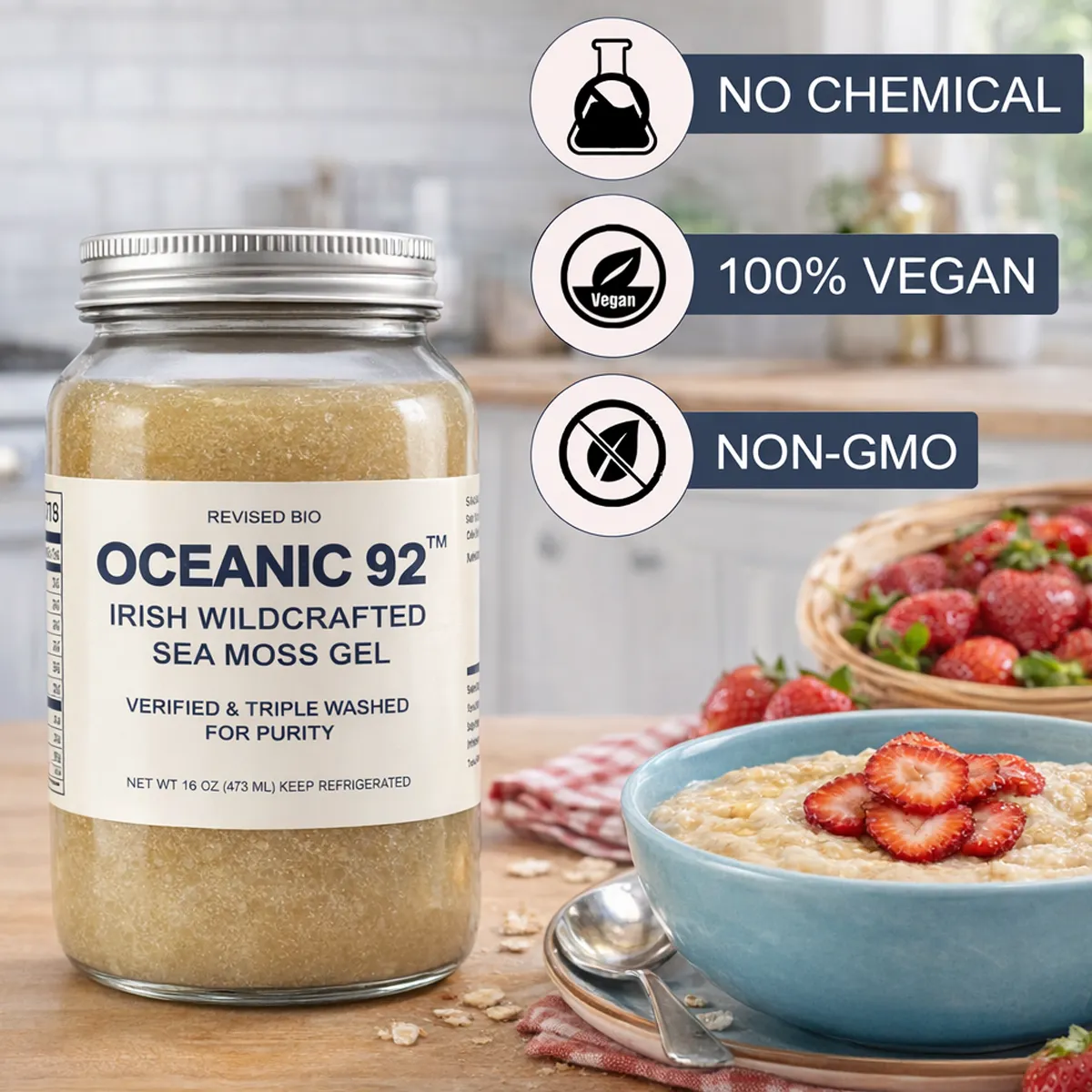
1. Wildcrafted, not pool-grown. It’s hand-harvested from the volcanic-rich waters off St. Lucia, where the mineral profile in the water is what gives the moss its mineral profile in the first place. No brine tanks. No bleach.
2. Lab-verified, batch by batch. Every jar comes with a batch-specific purity report. Sea moss is a sponge for whatever is in the water it grows in — including heavy metals — so this is the single most important spec to check, and almost no one in the space publishes one. RevisedBio does.
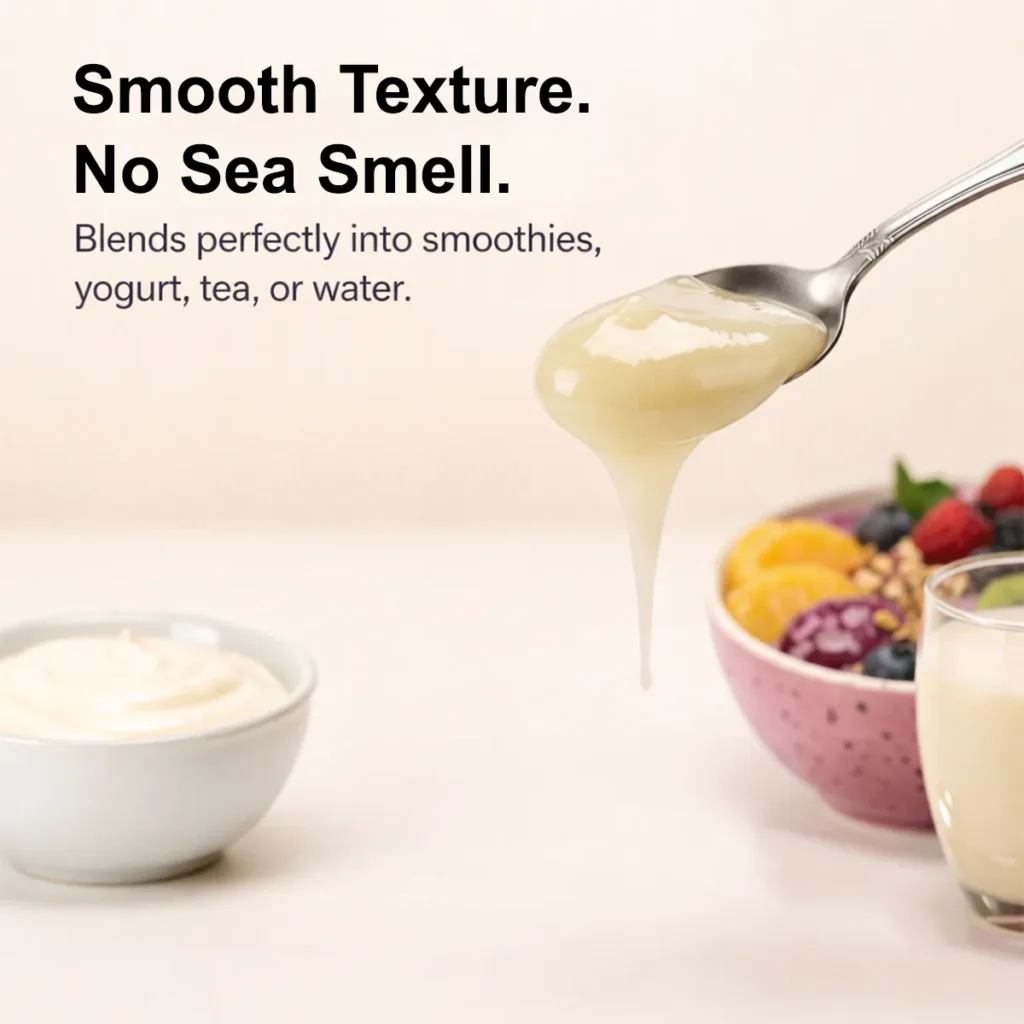
3. Genuinely tasteless. This is the one most people don’t believe until they try it. The gel is triple-washed in alkaline spring water and finished with a touch of organic key lime, which neutralizes the “sea” flavor that makes most sea moss undrinkable. It disappears into anything liquid. RevisedBio backs it with a “Tasteless or It’s Free” guarantee. If you’ve gagged your way through sea moss before, that’s a pool-grown problem — not a sea moss problem.
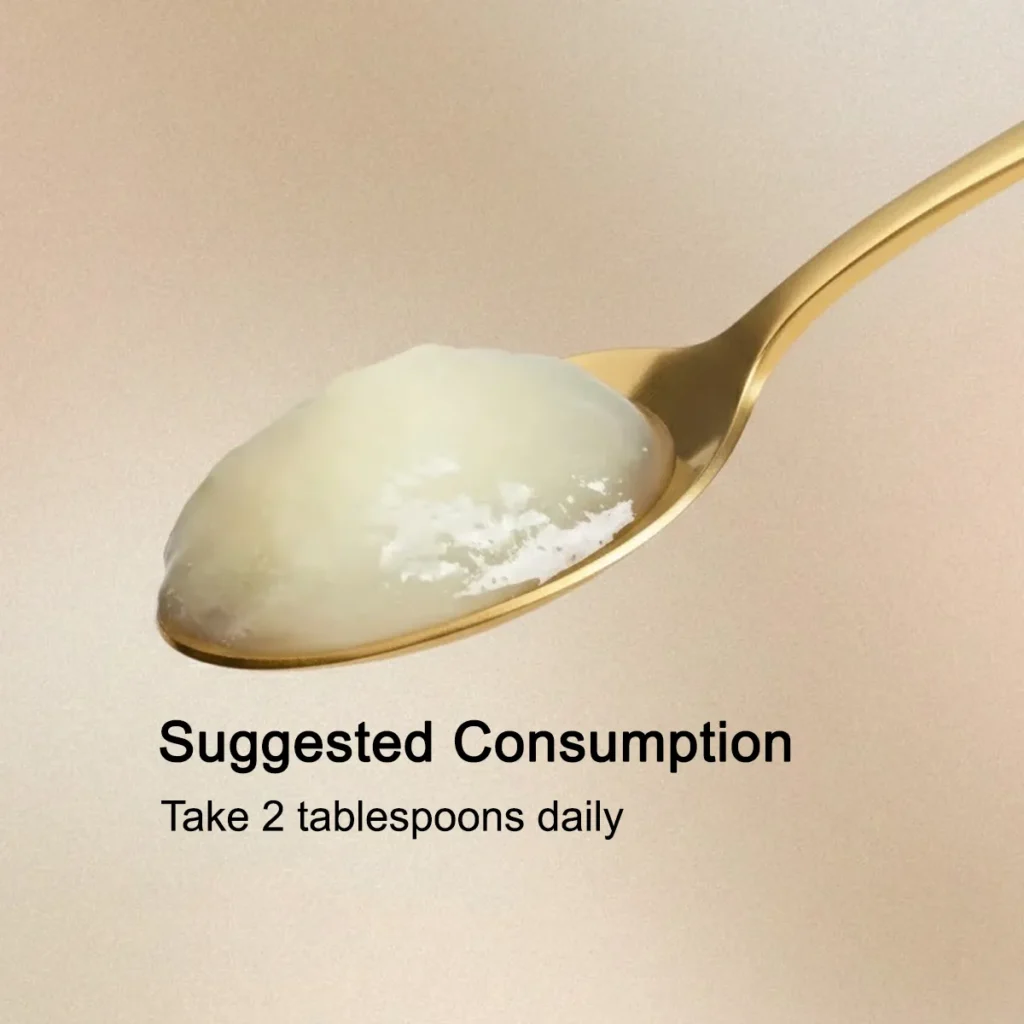
The jar is medical-grade cobalt blue glass (no plastic leaching, no light degradation of the nutrients), and it ships cold. Sixteen ounces is a 30-day supply at one tablespoon a day.
How to actually start
Most GLP-1 users ease in: one teaspoon daily for the first week (the prebiotic effect can be noticeable if your gut has slowed down on the meds), then ramp up to a full tablespoon.
The easiest entry points are the ones you’ll actually do every day:
- Stirred into your morning coffee
- Blended into your daily protein shake
- Spooned into Greek yogurt with berries
- Whisked into a glass of water with lemon
- Stirred into oatmeal
Oceanic 92™ — Irish Wildcrafted Sea Moss Gel
611 clinicians share this on FrontrowMD without compensation.